Hardware Factory
From idea to product: end-to-end engineering in hardware, firmware, IoT, and AI under one team.
What is Hardware Factory?
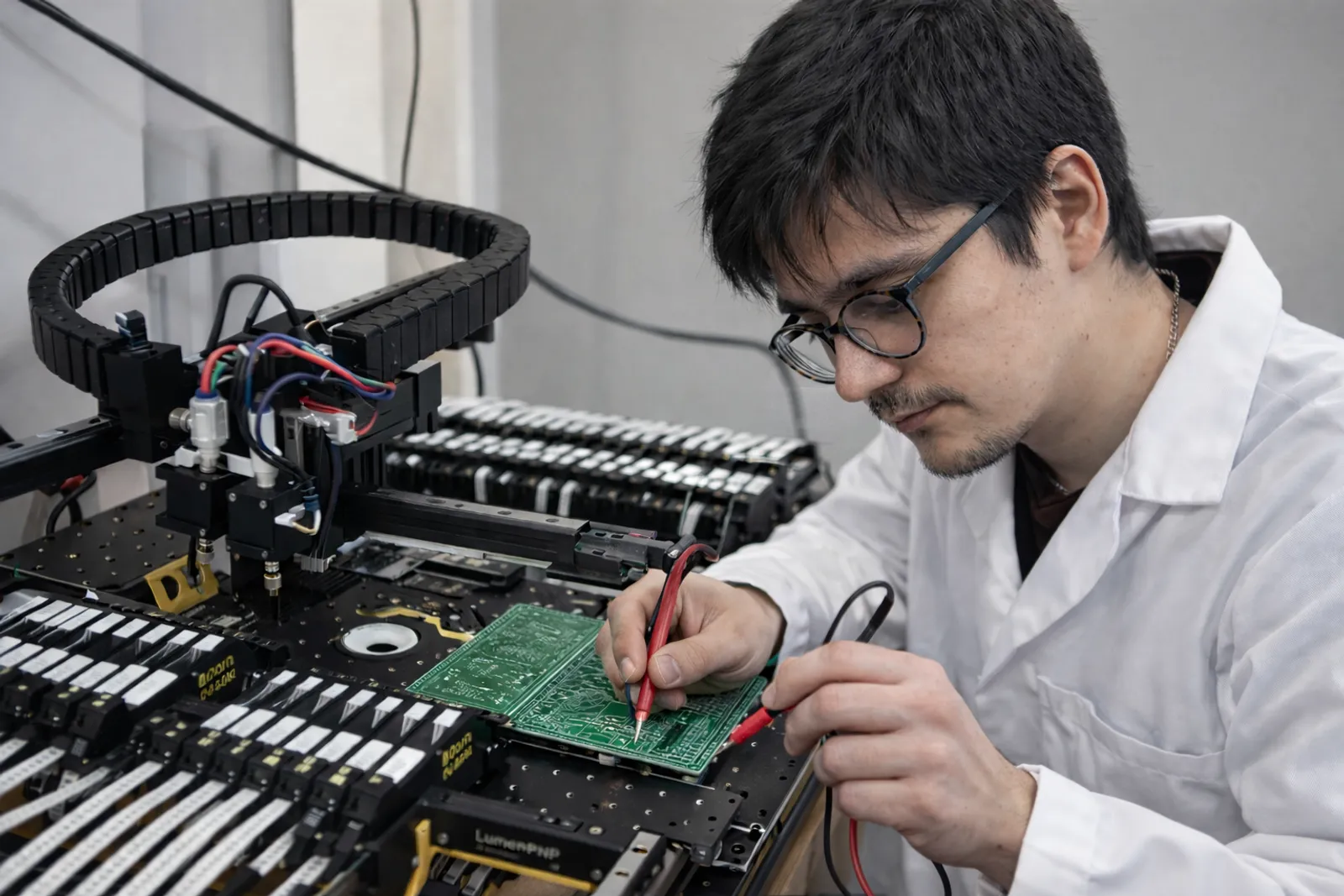
Hardware Factory is the end-to-end engineering arm of InertialMetrics to convert industrial challenges into operational-ready products and solutions. We integrate embedded hardware, firmware, IoT connectivity, cloud, visualization, and AI in a single flow, avoiding the typical fragmentation of multiple vendors and accelerating the cycle:
Definition → Prototype → Pilot → Scaling
Agile methodology for Hardware as a Service (HaaS)
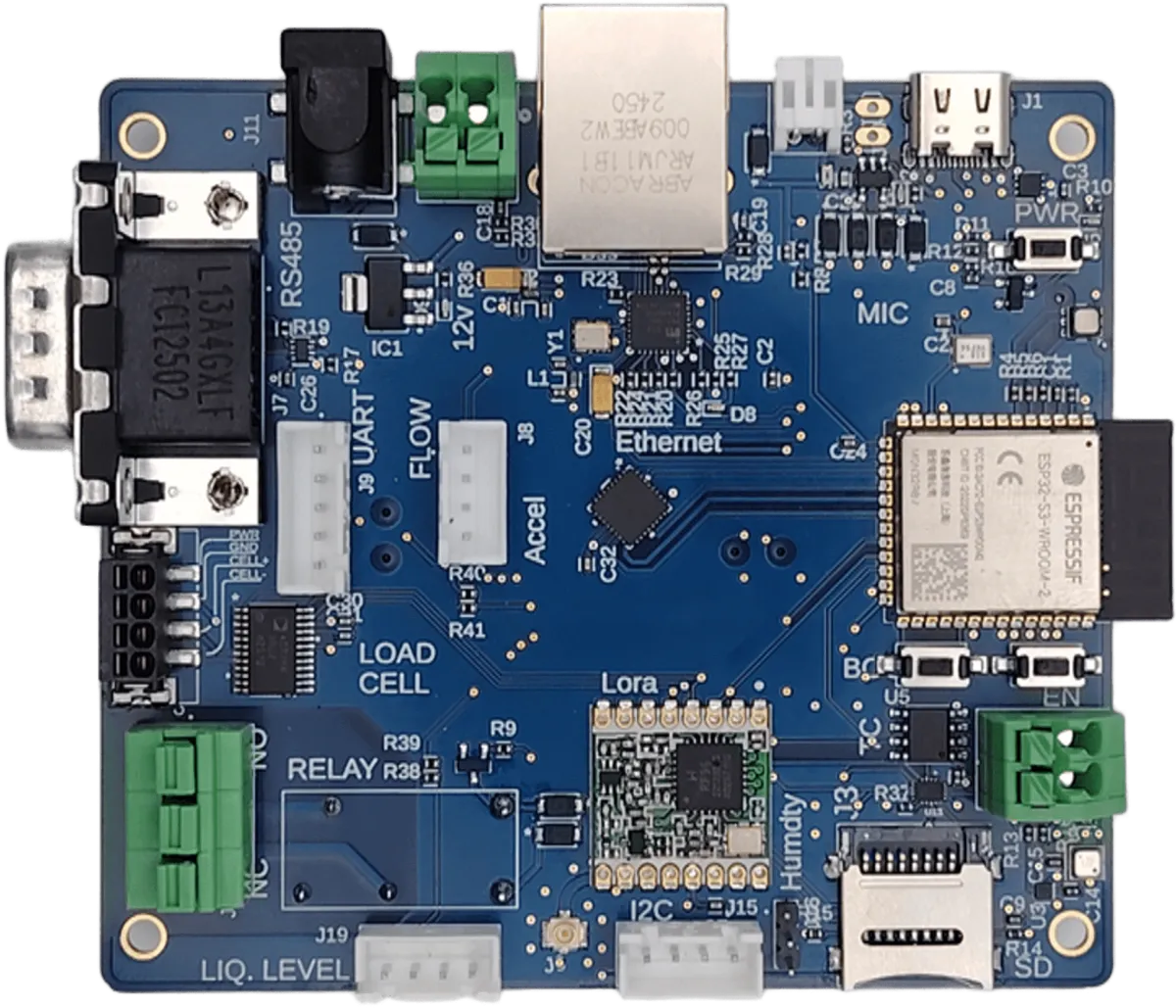
We work with an agile methodology adapted to hardware: short iterations, early validation, and functional deliverables per sprint. This approach allows packaging reusable capabilities (sensorization modules, connectivity, firmware, cloud pipelines, dashboards, and AI) to create new products or "smart versions" of existing ones, reducing time, cost, and technical risk. Additionally, the roadmap is built with measurable milestones and incremental tests so every advance is verifiable in a real context.
Key benefits
-
One team, one roadmap
less rework and less friction between hardware/firmware/software/AI.
-
Shorter time-to-prototype and time-to-pilot
visible progress per sprint with clear milestones.
-
Designed for the field
operational continuity, tolerance to variable connectivity, and field maintainability.
-
Modularity to scale
activate/deactivate blocks depending on use case without rebuilding everything.
Servicios (líneas de trabajo)
Hardware Factory se organiza como un portafolio modular de servicios que puedes contratar por etapa o como solución llave en mano, desde la ideación hasta el piloto en terreno:
Sensorization
We design and integrate robust sensorization systems for the field, from sensor selection to validation in real operation. Includes non-invasive instrumentation when applicable, acquisition architecture, signal conditioning, and installation/mounting strategies for industrial environments.
Data Analysis & AI
We convert industrial data into decisions and automation: data preparation, feature engineering, ML/DL modeling, metric-based validation, and deployment for continuous operation. We also design the improvement cycle (monitoring, recalibration, and update) so the system maintains performance over time.
Cloud Computing
We build cloud platforms for IoT/Industry 4.0: APIs, storage, processing, security, and multi-site operation. We integrate device ingestion, access control, and observability, enabling traceability, scalability, and operational continuity.
UI Development
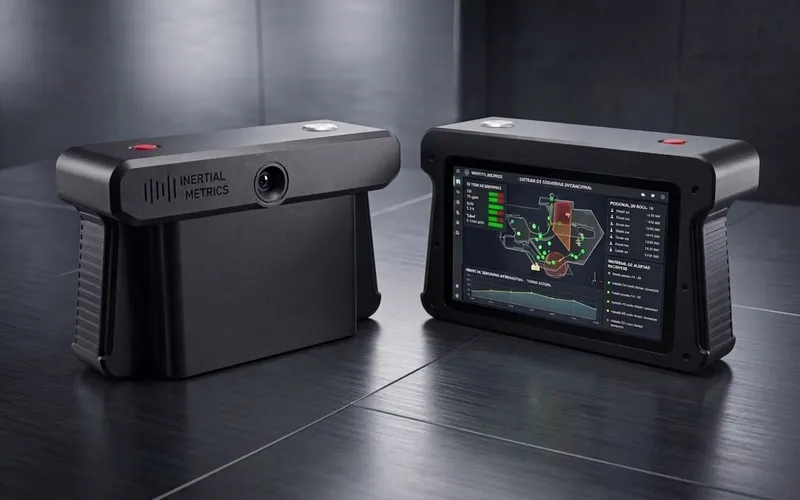
We design operational dashboards and visualization tools oriented toward real users (operations, maintenance, management). Includes field UX, role-based panels, reports and technical views, prioritizing clarity, traceability, and fast decisions per shift.
Visual Computing
We develop computer vision and visual analytics solutions: detection/classification/tracking, video analytics, and advanced visualization for evidence and auditing. We operate on edge or cloud depending on latency and site constraints, connecting capture → inference → metrics.
Additive Manufacturing
We accelerate physical prototypes and packaging: mechanical design, enclosures, mounting, and functional parts for real testing. We iterate quickly to reach "field-ready" solutions, considering maintainability, mounting, and field use.
What Technology Readiness Level are you at?
Answer these questions and find out what TRL your project is at — and how Hardware Factory can help you advance.
~5 minutos · TRL 1 – 9
Responde preguntas sobre el estado de tu tecnología, modelo de negocio y camino a producción. Al final sabrás en qué TRL estás y cómo Hardware Factory puede ayudarte a avanzar.
FAQ — Frequently asked questions
Do you work per full project or per module?
Both: per stage or end-to-end.
Can you accelerate the creation of new products?
Yes. HaaS approach with reusable modules and sprint iteration.
How do you ensure it works in the field?
Incremental validation, operational hardening, and version traceability.
Can you integrate into existing products without redesigning everything?
Yes. "Add-on" approach while preserving compatibility and incremental cost.